What is IV therapy used for?
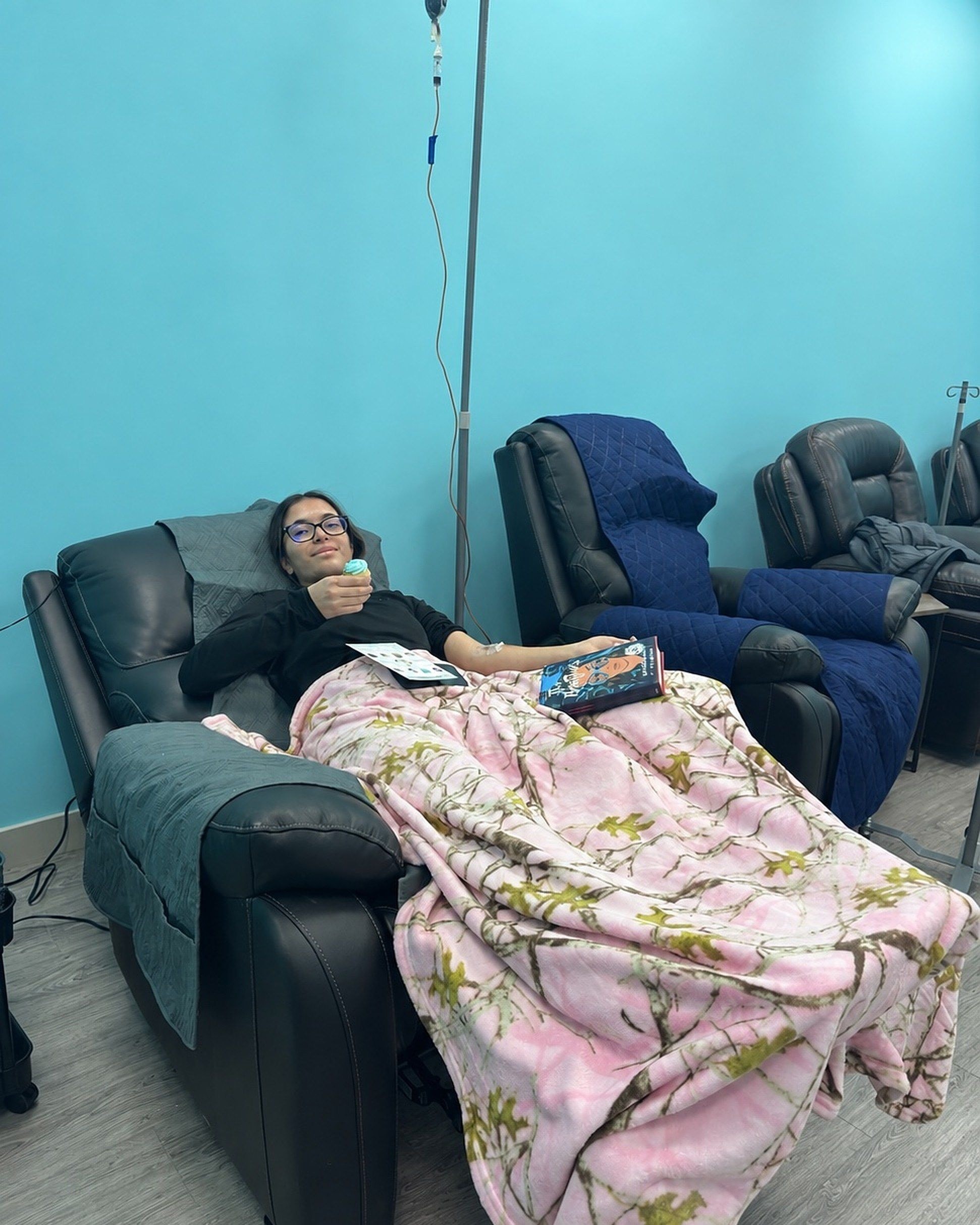
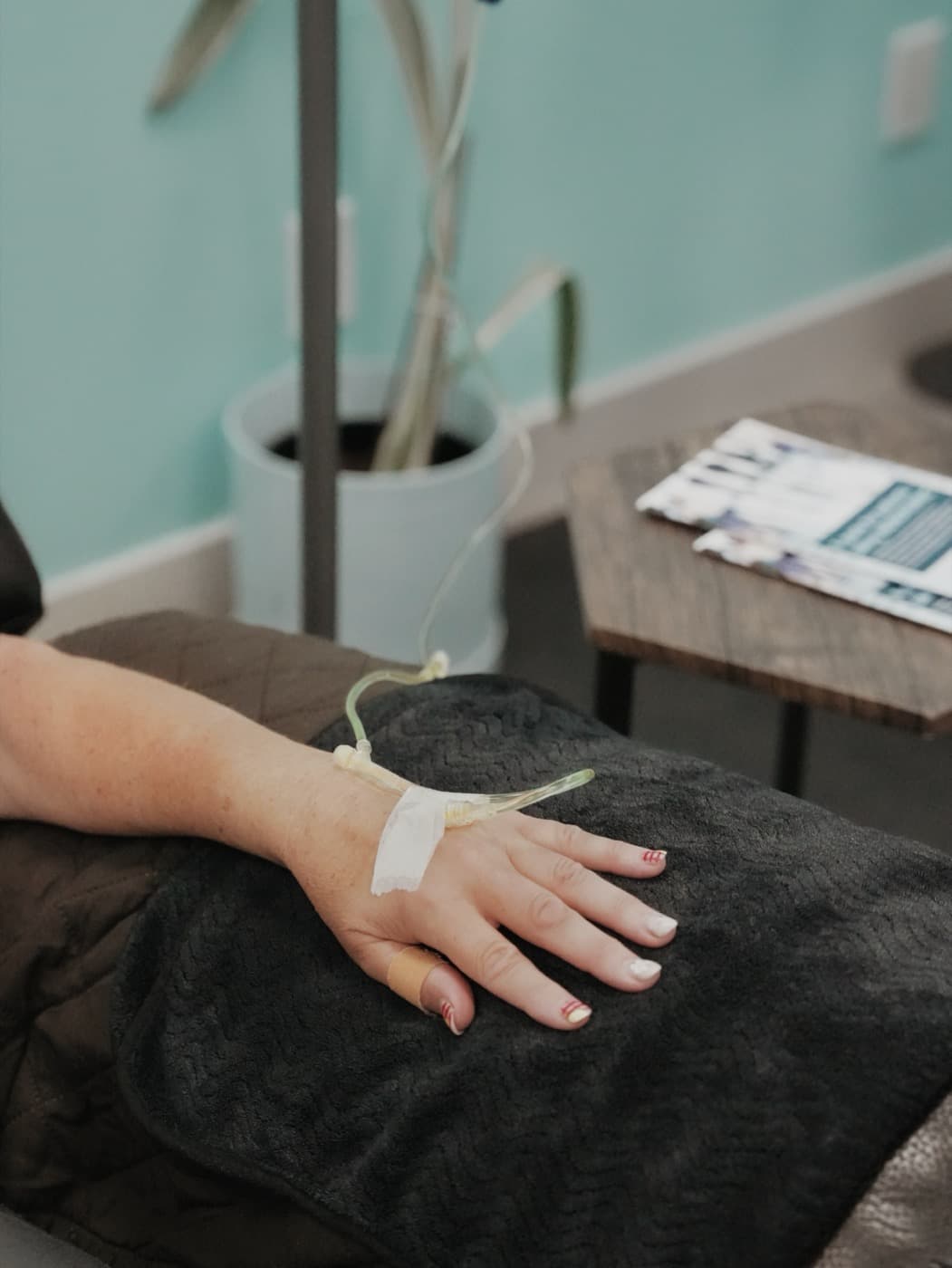
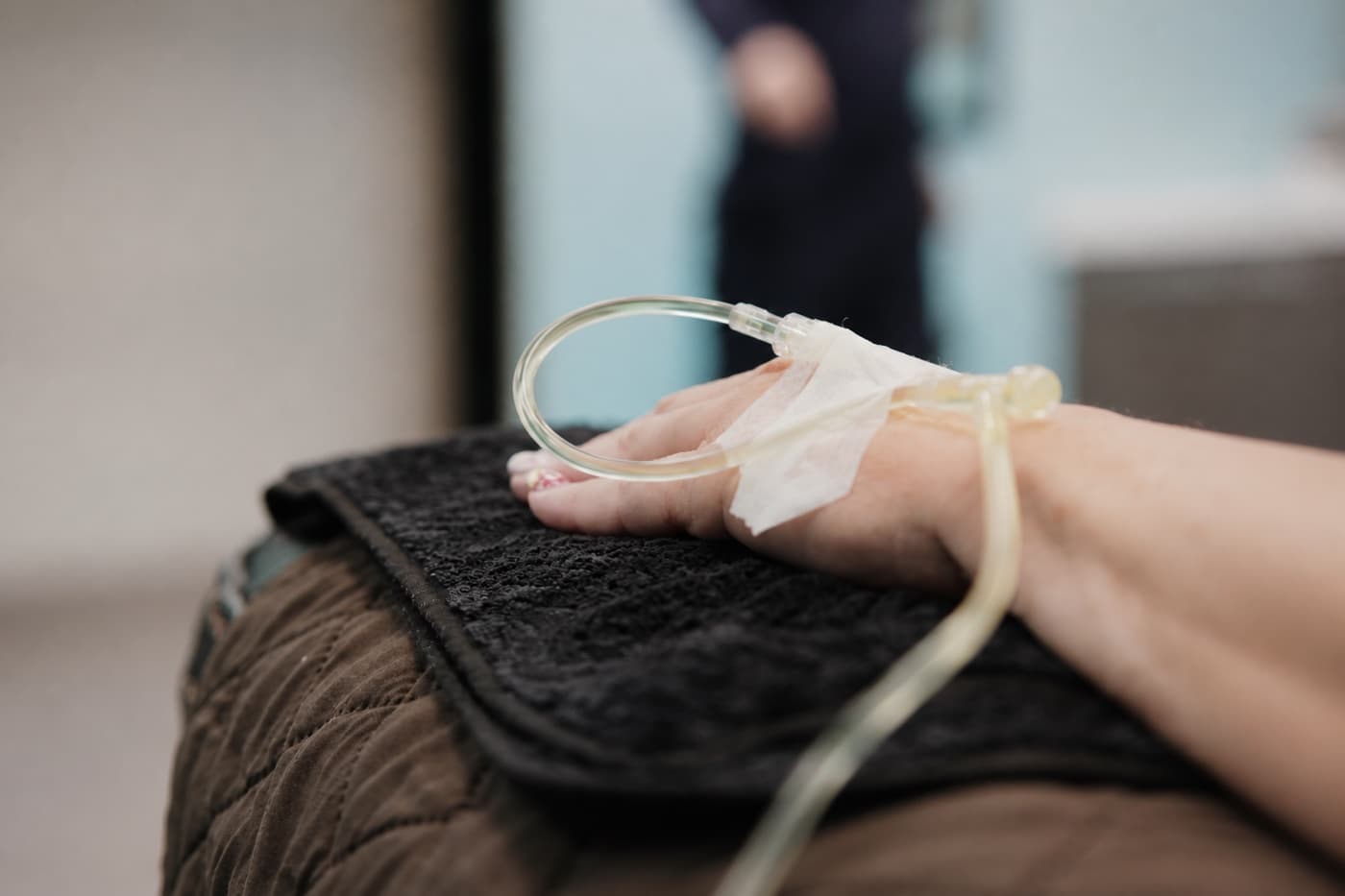
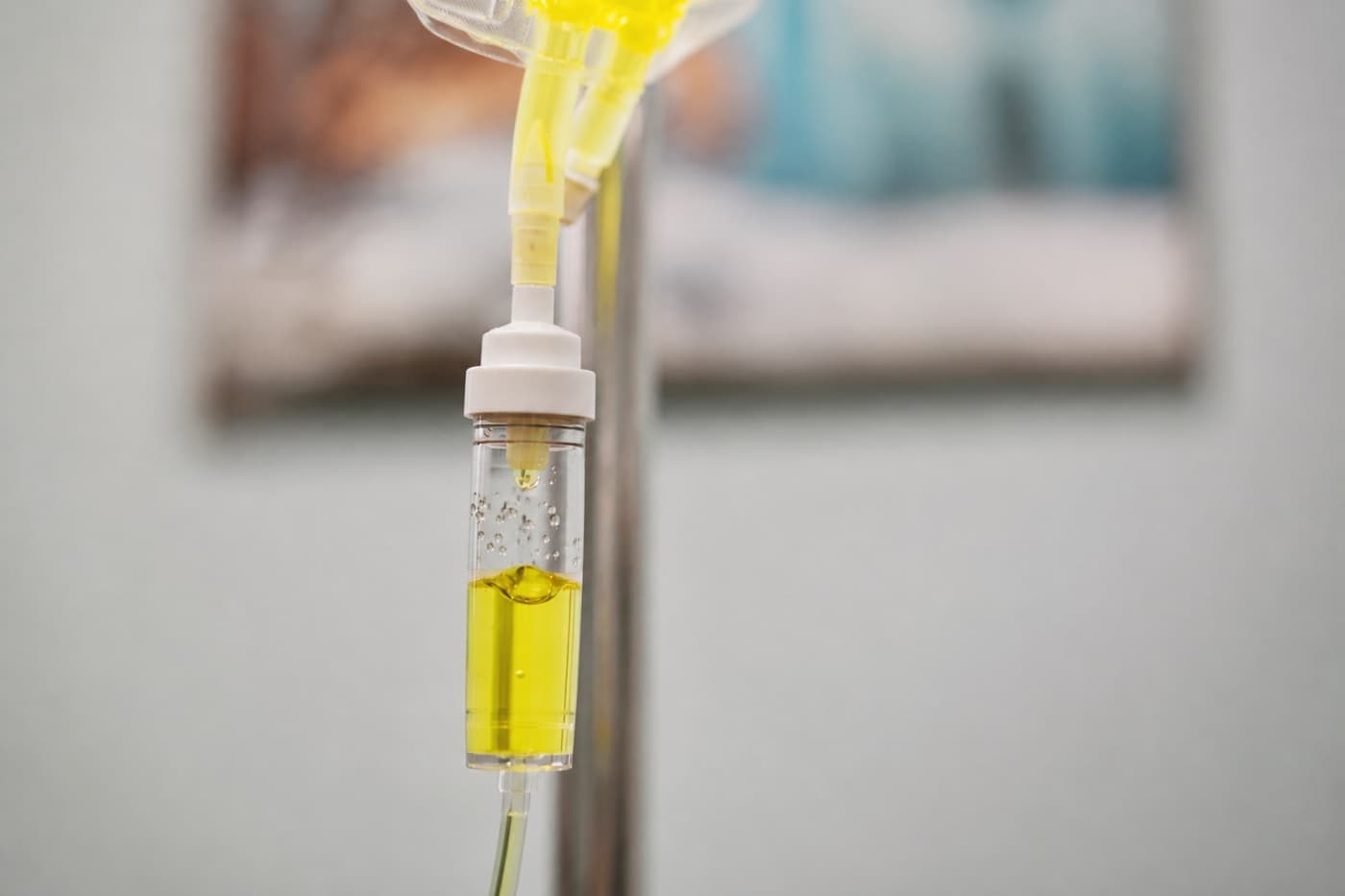
IV therapy puts fluids, vitamins or medicine straight into a vein. At Solis it has two uses. Prescription infusions treat a diagnosed condition, such as iron for low iron, zoledronic acid for bone strength, and migraine infusions. IV vitamin drips give fluids and nutrients for hydration, energy, recovery after training and immune support.
Is IV therapy really worth it?
For a diagnosed problem, it often is. If blood work shows low iron and pills have not worked or upset your stomach, an infusion skips the gut and puts iron straight into the blood. Vitamin drips depend on your goal. They help most when you are dehydrated or cannot keep fluids down. Most healthy people who eat well get enough vitamins from food, so tell us what you want the drip to do before you book.
What to do before getting an IV?
Drink plenty of water the day before and the day of your visit. It makes the vein easier to find. Eat a meal with carbs and protein an hour or two before. Wear a top with sleeves that roll up. For a prescription infusion, your doctor needs to fax us the prescription first. The infusion patient guide has the full checklist.
What are the downsides of IV therapy?
The common ones are small. You may get a pinch, a bruise or a sore spot where the IV went in. Some people feel cold, lightheaded or get a headache. Rare risks include infection at the IV site, an irritated vein or an allergic reaction. That is why our nurses are ACLS and BLS certified, the clinic has full resuscitation equipment, and our on-site anesthesiologist is aware of every infusion. Cost is the other downside, since vitamin drips are not covered.
Is an IV better than a shot?
Not always. They do different jobs. A shot puts a small dose into a muscle in a few seconds. An IV gives a larger amount of fluid or medicine slowly, over 30 minutes or more. Large doses of iron are given by IV. Vitamin B12 usually works well as a shot and takes less time. Your prescriber picks the route that fits the medicine.
Why do I feel weird after IV therapy?
Mild feelings that pass are common. Room-temperature fluid can make your arm or body feel cool. Some people notice a metallic taste, a warm flush, tiredness, a mild headache or lightheadedness when they stand up. Sit for a few minutes, drink water and eat something. Call the clinic or 811 if it does not go away. Call 911 right away for trouble breathing, chest pain, fainting, or swelling of the face or throat.